Electrical Safety Standards in Industrial Power Systems
Industrial facilities depend on reliable electrical power systems to maintain operations, productivity, and safety. From manufacturing plants to data centers, modern industries rely on complex electrical infrastructure that must be designed, installed, and maintained according to strict safety standards.
Electrical safety is not only a regulatory requirement but also a critical factor in protecting personnel, equipment, and infrastructure. Improper installation, poor-quality components, or lack of compliance with electrical safety standards can lead to system failures, equipment damage, fires, or severe workplace accidents.
Organizations that follow internationally recognized electrical safety standards and use certified electrical components significantly reduce operational risks and improve long-term reliability.
Suppliers and manufacturers who follow these international standards provide customers with equipment that is tested, dependable, and suitable for critical electrical applications.
Suprem Power Solutions
Importance of Electrical Safety in Industrial Power Systems
Industrial power systems typically operate at high voltages and carry large electrical loads. Without proper safety practices and protective devices, even minor electrical faults can escalate into major incidents.
Electrical safety ensures:
Protection of workers from electric shock and arc flash hazards
Prevention of electrical fires and equipment damage
Reliable and uninterrupted power supply for critical operations
Compliance with international safety and regulatory standards
Properly designed power systems include protection devices such as circuit breakers, relays, surge protection equipment, and grounding systems that minimize electrical hazards.
Importance of Certified Switchgear in Industrial Facilities
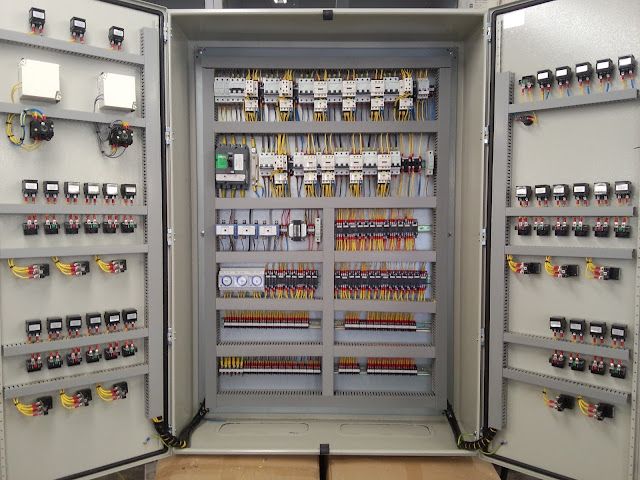
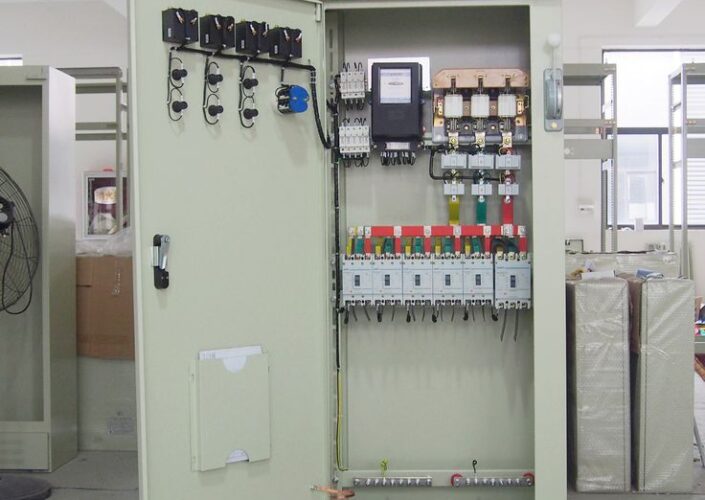
Switchgear plays a central role in industrial power distribution systems. It is responsible for controlling, protecting, and isolating electrical equipment.
Using certified and tested switchgear ensures safe and reliable power distribution.
Key benefits include:
1. Fault Protection
Switchgear such as circuit breakers automatically disconnect faulty circuits when abnormal conditions occur. This prevents overheating, equipment failure, or electrical fires.
Examples:
Example 1: In a manufacturing plant, an MCCB detects overload conditions and disconnects the circuit before equipment damage occurs.
Example 2: In a power distribution panel, a protection relay isolates a faulty feeder to prevent a complete plant shutdown.
2. System Reliability
Certified switchgear components are designed to withstand high electrical loads and harsh industrial environments.
Examples:
Example 1: Air Circuit Breakers (ACB) are commonly used in large industrial facilities for reliable power distribution and protection.
Example 2: Vacuum Circuit Breakers (VCB) provide safe switching and protection in medium-voltage substations.
Common Electrical Safety Mistakes in Power Distribution Systems
Despite advancements in technology, many industrial electrical accidents occur due to avoidable mistakes in system design, installation, or maintenance.
1. Using Low-Quality or Non-Certified Components
Low-quality electrical equipment increases the risk of system failures and safety hazards.
Examples:
Example 1: Installing non-certified circuit breakers that fail to trip during overload conditions.
Example 2: Using substandard cables that cannot handle the required current load.
2. Improper Grounding Systems
Grounding is essential for preventing electrical shock and protecting equipment from fault currents.
Examples:
Example 1: Inadequate grounding in industrial panels leading to dangerous touch voltage.
Example 2: Poor earthing in outdoor substations causing equipment damage during lightning strikes.
3. Lack of Preventive Maintenance
Electrical systems require regular inspections and maintenance to remain safe and efficient.
Examples:
Example 1: Loose electrical connections causing overheating in distribution boards.
Example 2: Dust accumulation in switchgear panels increasing the risk of arc flash incidents.
Conclusion
Electrical safety is a critical aspect of modern industrial power systems. Organizations that prioritize certified electrical components, proper system design, and regular maintenance significantly reduce operational risks and improve system reliability.
By following international electrical safety standards and working with trusted procurement partners, industries can ensure safe, efficient, and uninterrupted power distribution across their facilities.