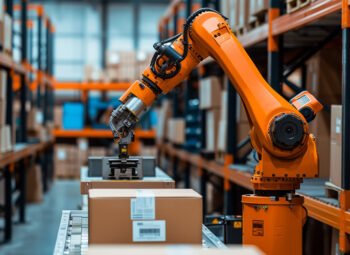


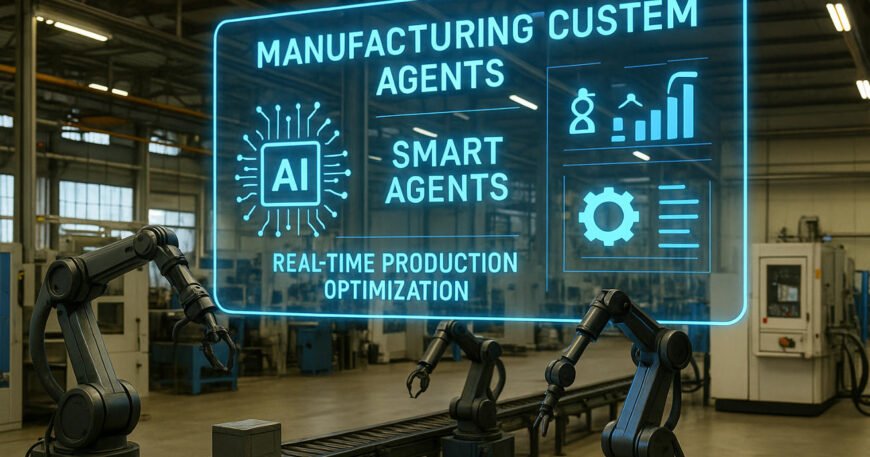
Unexpected equipment failures and unplanned downtime can significantly affect manufacturing productivity, operational efficiency, and profitability. As industries continue to adopt advanced technologies, smart automation systems are helping manufacturers monitor equipment, identify potential problems, and optimize maintenance activities before failures occur.
By combining PLCs, sensors, SCADA systems, Industrial IoT, data analytics, and intelligent monitoring technologies, smart automation provides manufacturers with greater visibility into their operations and helps reduce unnecessary maintenance costs.
What Are Smart Automation Systems?
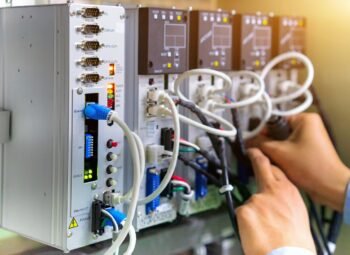
Smart automation systems combine industrial control technologies with connected devices, real-time monitoring, and data analysis to create more intelligent manufacturing processes.
Unlike traditional automation systems that primarily control machines, smart automation systems can also collect and analyze equipment data to help operators understand machine performance and identify potential issues.
Common components of smart automation systems include:
- Programmable Logic Controllers (PLCs)
- Industrial sensors
- Human Machine Interfaces (HMIs)
- SCADA systems
- Variable Frequency Drives (VFDs)
- Industrial IoT devices
- Remote monitoring systems
- Data analytics platforms
These technologies work together to provide continuous information about machines and production processes.
How Smart Automation Reduces Downtime
Downtime can occur due to equipment failures, process interruptions, electrical problems, maintenance issues, or human errors. Smart automation helps identify and address these problems before they result in major production losses.
Real-Time Equipment Monitoring
Smart automation systems continuously monitor machine conditions and production parameters. Sensors can collect information such as temperature, vibration, pressure, current, speed, and operating status.
Operators can use this real-time information to identify unusual equipment behavior and take corrective action before a serious failure occurs.
Early Detection of Equipment Problems
Traditional maintenance approaches often depend on fixed schedules or waiting until equipment fails. Smart automation allows manufacturers to detect changes in machine performance much earlier.
For example, an increase in motor temperature or abnormal vibration may indicate a developing equipment problem. Identifying these changes early allows maintenance teams to investigate the issue before it causes unexpected downtime.
Predictive Maintenance
Predictive maintenance is one of the major advantages of smart automation. Instead of maintaining equipment only at fixed intervals, manufacturers can use real-time machine data to determine when maintenance may actually be required.
Predictive maintenance can help:
- Identify potential equipment failures
- Reduce unexpected breakdowns
- Improve maintenance planning
- Extend equipment lifespan
- Reduce unnecessary component replacement
- Improve overall equipment reliability
Role of Industrial Sensors
Sensors are an important part of smart automation systems because they provide the data required to monitor machine and process conditions.
Depending on the application, manufacturers may use:
- Proximity sensors
- Temperature sensors
- Pressure sensors
- Photoelectric sensors
- Level sensors
- Flow sensors
- Vibration sensors
- Current sensors
Accurate sensor data allows automation systems to detect changes in operating conditions and provide useful information to operators.

How SCADA Systems Improve Maintenance
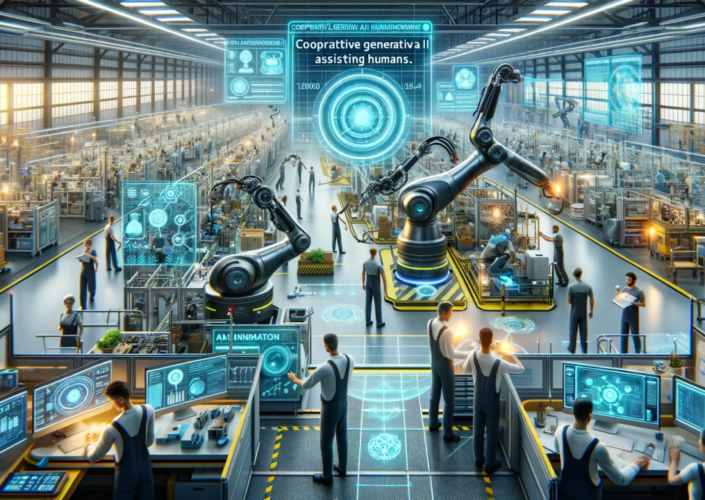
SCADA systems provide centralized monitoring and control of industrial equipment and processes. Operators can view machine conditions, alarms, production data, and system status through a single interface.
When an abnormal condition occurs, SCADA systems can generate alarms and notifications, allowing maintenance teams to respond quickly.
This reduces the time required to identify equipment problems and helps prevent minor issues from becoming major production failures.
Reducing Maintenance Costs Through Automation
Smart automation does more than reduce downtime. It can also help manufacturers control maintenance expenses by making maintenance activities more targeted and efficient.
Reduced Emergency Repairs
Unexpected equipment failures often require urgent repairs, replacement parts, and additional labor. By identifying potential problems early, smart automation can reduce the need for emergency maintenance.
Better Maintenance Planning
Real-time equipment data helps maintenance teams understand machine conditions and plan maintenance activities more effectively. Maintenance can be scheduled during planned production breaks instead of waiting for unexpected failures.
Optimized Spare Parts Management
Accurate equipment monitoring can help businesses understand which components require replacement and when they are likely to need attention. This can reduce unnecessary inventory and improve spare-parts planning.
Longer Equipment Life
Maintaining machines according to their actual operating conditions can reduce excessive wear and improve equipment reliability. Proper monitoring and timely maintenance can help extend the useful life of industrial equipment.
Remote Monitoring and Automation
Modern smart automation systems can enable remote monitoring of industrial equipment. Operators and maintenance teams can access important machine information without always being physically present near the equipment.
Remote monitoring can help teams:
- Check equipment status
- Review alarms
- Monitor production parameters
- Identify abnormal conditions
- Respond to issues faster
- Support multiple production areas
This can be especially useful for large manufacturing facilities and distributed industrial operations.
Data Analytics for Maintenance Decisions
Smart automation systems generate large amounts of operational data. Data analytics can help manufacturers identify trends and patterns in equipment performance.
By analyzing historical and real-time data, businesses can better understand:
- Equipment performance
- Failure patterns
- Energy consumption
- Production efficiency
- Maintenance requirements
- Machine operating conditions
These insights can support more informed maintenance and operational decisions.
Improving Overall Equipment Efficiency
Reducing downtime is only one part of improving manufacturing performance. Smart automation can also help increase overall equipment effectiveness by improving machine availability, performance, and production quality.
When equipment operates reliably and efficiently, manufacturers can achieve more consistent production output while reducing operational waste.
Smart Automation and Energy Efficiency
Smart automation systems can also help identify unnecessary energy consumption. Monitoring electrical loads, motor performance, and machine operating conditions can reveal opportunities to reduce energy waste.
Energy-efficient operation can contribute to lower operating costs while supporting more sustainable manufacturing processes.
Choosing the Right Smart Automation Solution
Every manufacturing facility has different equipment, processes, and operational requirements. The right automation solution should be selected according to the specific needs of the application.
Important factors to consider include:
- Existing control systems
- Equipment compatibility
- Monitoring requirements
- Production processes
- Communication protocols
- Scalability
- Safety requirements
- Maintenance objectives
- Future expansion plans
An experienced industrial automation solutions provider can help businesses evaluate their requirements and implement reliable automation systems.
The Future of Smart Industrial Maintenance
The future of industrial maintenance is moving toward connected and data-driven operations. Artificial Intelligence, Industrial IoT, advanced sensors, cloud connectivity, and predictive analytics are making it possible to monitor equipment more intelligently than ever before.
As these technologies continue to develop, manufacturers will have greater opportunities to predict failures, optimize maintenance schedules, reduce downtime, and improve overall operational efficiency.