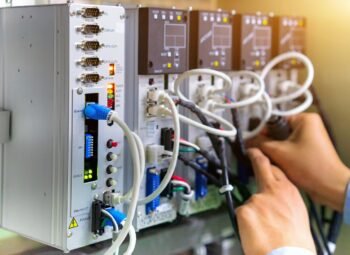


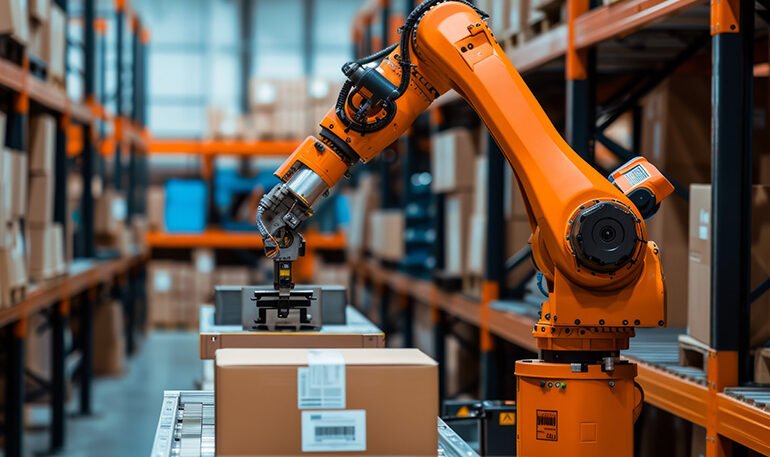
Industrial automation helps businesses improve productivity, efficiency, and process control, but safety must always be a key consideration. Properly designed automation systems can help protect workers, equipment, and production processes while reducing the risk of accidents and unexpected shutdowns.
As industries adopt more advanced automation technologies, following effective safety practices is essential for maintaining reliable and secure operations.
What Is Industrial Automation Safety?
Industrial automation safety involves using safety systems, devices, procedures, and control technologies to protect people and equipment during automated industrial operations.
A safe automation system may include:
- Safety PLCs
- Emergency stop systems
- Safety sensors
- Machine guards
- Safety relays
- Light curtains
- Warning alarms
- Interlocking systems
These components work together to identify hazardous conditions and help prevent unsafe machine operation.
Why Is Safety Important in Industrial Automation?
Industrial machines can involve moving parts, high temperatures, electrical energy, pressure, and other potential hazards. Automation safety systems help reduce risks by monitoring equipment and stopping operations when unsafe conditions are detected.
Effective safety measures can help:
- Protect employees
- Prevent equipment damage
- Reduce workplace accidents
- Minimize production interruptions
- Improve operational reliability
- Support safety compliance
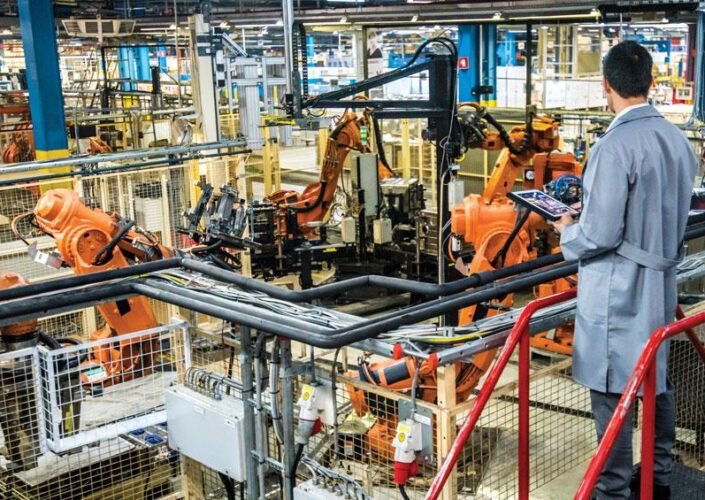
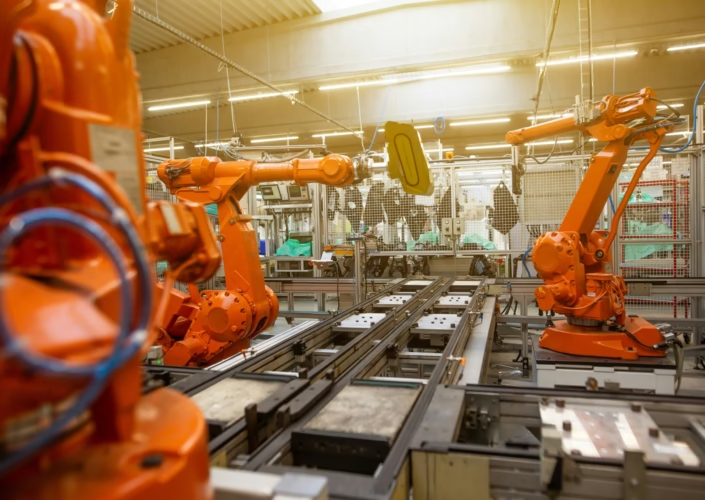
Best Practices for Industrial Automation Safety
Use Proper Safety Devices
Safety devices such as emergency stops, sensors, interlocks, and protective guards should be selected according to the specific machine and application. These devices help prevent access to hazardous areas and allow equipment to stop quickly when required.
Implement Emergency Stop Systems
Emergency stop buttons should be easily accessible and clearly identified. They allow operators to quickly stop machinery during dangerous or unexpected situations.
Regular Maintenance and Inspection
Automation safety equipment should be inspected and maintained regularly. Faulty sensors, damaged wiring, or malfunctioning safety components can reduce the effectiveness of the entire safety system.
Regular testing helps ensure that safety devices operate correctly when needed.
Provide Operator Training
Even advanced safety systems require properly trained operators. Employees should understand machine operating procedures, emergency controls, safety devices, and appropriate responses to equipment faults.
Proper training helps reduce human errors and promotes a safer working environment.
Role of Safety PLCs
Safety PLCs are designed to monitor safety-related functions and respond to hazardous conditions. They can work with emergency stops, safety sensors, interlocks, and other protective devices.
When a dangerous condition is detected, the system can initiate an appropriate safety response, such as stopping machinery or disabling specific equipment.
Safety and Reliable Operations
Industrial safety and operational reliability go hand in hand. A well-designed automation system can detect abnormal conditions early, prevent unsafe machine operation, and reduce the possibility of equipment damage.
Combining safety systems with PLCs, HMIs, SCADA, sensors, and monitoring technologies can provide better visibility and control over industrial processes.
Choosing the Right Automation Safety Solution
Every industrial application has different safety requirements. Businesses should consider machine type, operating environment, potential hazards, production processes, and required safety functions when designing an automation system.
Working with an experienced industrial automation provider can help businesses develop reliable control and safety solutions suited to their specific requirements.