

Industrial control systems play an important role in modern manufacturing and industrial operations. They help businesses monitor equipment, control production processes, improve efficiency, and maintain consistent performance. As industries become more automated and connected, reliable control systems are essential for achieving safe and efficient operations.
What Are Industrial Control Systems?
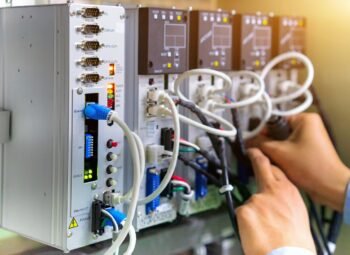
Industrial Control Systems (ICS) are technologies used to monitor and control industrial machines, equipment, and processes. These systems combine controllers, sensors, software, communication networks, and operator interfaces to automate and manage industrial operations.
Common industrial control system components include:
- Programmable Logic Controllers (PLCs)
- Human Machine Interfaces (HMIs)
- SCADA systems
- Industrial sensors
- Variable Frequency Drives (VFDs)
- Control panels
- Industrial communication networks
Types of Industrial Control Systems
Different industries use different control systems depending on their operational requirements.
Programmable Logic Controllers (PLCs)
PLCs are widely used to control machines and automated production processes. They receive information from sensors, process the data, and control connected equipment according to programmed instructions.
SCADA Systems
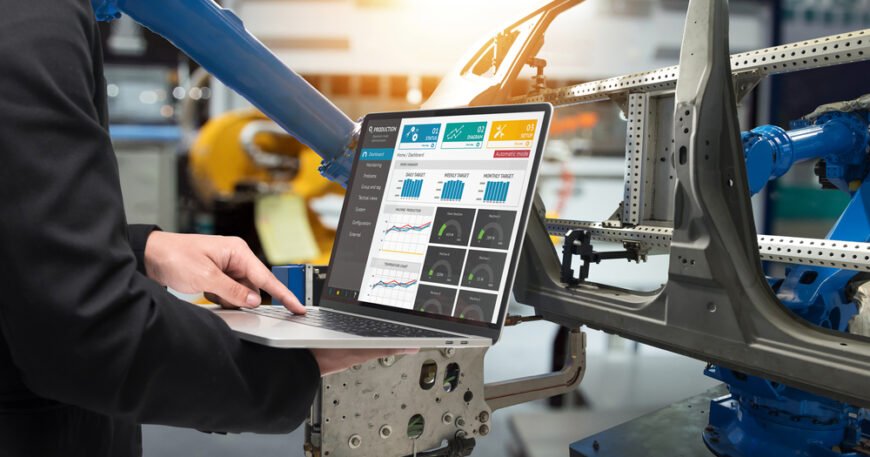
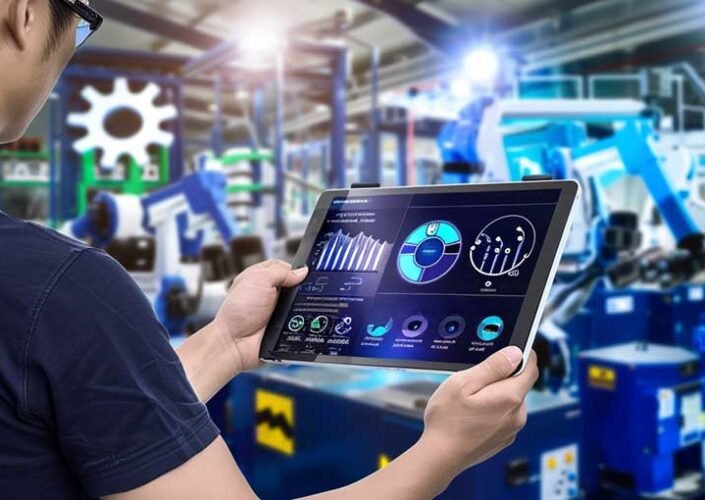
SCADA systems allow operators to monitor and control industrial processes from a centralized interface. They provide real-time information, alarms, and equipment status to help operators make faster decisions.
Distributed Control Systems (DCS)
DCS solutions are commonly used in large and complex industrial processes. They distribute control functions across multiple controllers, providing reliable and continuous process management.
Key Benefits of Industrial Control Systems
Implementing an effective industrial control system can provide several advantages, including:
- Improved production efficiency
- Better process control
- Reduced manual intervention
- Increased equipment reliability
- Reduced operational errors
- Improved workplace safety
- Real-time equipment monitoring
- Reduced downtime
Automation and centralized monitoring also make it easier for operators to identify problems and respond quickly.
How Industrial Control Systems Improve Manufacturing
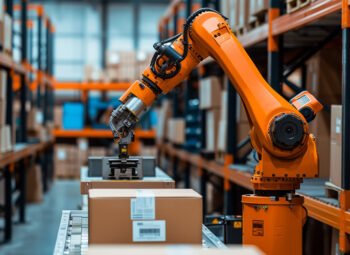
Industrial control systems help manufacturers automate repetitive operations and maintain consistent production conditions. Sensors continuously collect information from machines, while controllers process this information and make automated adjustments when required.
This allows manufacturers to improve production speed, maintain product quality, and use equipment more efficiently.
Importance of Sensors and Communication
Sensors are an important part of industrial control systems because they provide real-time information about machine and process conditions. Industrial communication networks then allow controllers, HMIs, SCADA systems, and other devices to exchange this information.
Reliable communication helps ensure that automation systems respond quickly and accurately to changing operating conditions.
Industrial Control Systems and Safety
Safety is a major consideration in industrial environments. Control systems can work with safety devices, alarms, emergency controls, and monitoring equipment to help protect workers and machinery.
Properly designed automation systems can reduce the need for employees to perform hazardous or repetitive tasks manually.
Choosing the Right Industrial Control System
The right control system depends on the size, complexity, and requirements of the industrial application. Before selecting a solution, businesses should consider:
- Type of production process
- Number of machines
- Required automation level
- Communication requirements
- System scalability
- Safety requirements
- Maintenance needs
- Future expansion
Working with an experienced industrial automation provider can help businesses design and implement a control system that meets their specific operational requirements.